
Preview

Download opens the original community-hosted file. Only use packs you have the right to access and share. DMCA · Report this pack
Description
Suggested tags
Use up to 12 tags when uploading your own pack to Voxalike.
Performance lab
Voice challenges for a stronger take
Players do not need a perfect impression to make this pack convincing. They need repeatable control over adult-aware but non-graphic presentation, deadpan commitment and a clean silence after the reaction line. The following sequence turns that broad goal into four observable tasks.
1. Intention ladder
Choose the line nearest the main pivot. Perform it three times with related but different actions: conceal, test and confront. Keep wording, microphone distance and approximate duration constant. On playback, name the action before checking the label. If listeners cannot distinguish the intention, strengthen thought and consonant direction before increasing loudness.
2. Breath map
Mark where the character thinks, where the source visibly breathes and where the cut requires silence. Record once using natural breaths, then once with a planned breath map. The planned version should feel freer, not mechanical. For a compact reaction-meme setup in which a seated observer discovers an outrageous interruption happening directly in front of her, reserve enough air to complete the emotional turn instead of fading during the most important phrase.
3. Contrast pass
Play the setup at half the energy you expect to keep, then perform the pivot at twice the eventual scale. This deliberately excessive contrast reveals the useful range. Make a third take halfway between the extremes. Most groups discover that readable variation comes from pace, focus and articulation, while raw volume contributes less than expected.
4. Reaction-only run
Mute the principal lines and record only breaths, pickups and short responses assigned by the pack. Every sound must answer something visible or audible. Remove any reaction that merely fills space. Restore the dialogue afterward and check whether the remaining reactions clarify status without stepping on words or stealing attention from the edit.
For the final pass, set one constraint appropriate to adult-aware but non-graphic presentation, deadpan commitment and a clean silence after the reaction line. Examples include no added words, no peak above the established level, one continuous emotional action or identical microphone distance across clips. Constraints expose whether a performance choice is controllable. If a player can only reproduce the effect accidentally, simplify it until the result can be repeated without discomfort.
Protect vocal health. A source may suggest screaming, gravel, extreme pitch or long sustained sound; matching the impression is never worth pain, loss of range or lingering hoarseness. Reduce intensity, change placement, shorten the take and stop when discomfort appears. The goal is an expressive dub that a player could perform again tomorrow, not a single recording produced through strain.
End with a blind review focused on three questions: Is the relationship clear before the famous beat? Does the observer's realization, when ordinary irritation snaps into an incredulous question aimed at the room arrive without being announced? Does the recovery feel like the same characters remain in the scene? Keep the take that answers all three, even if another version contains a more impressive isolated voice. Scene truth is the useful measure.
Continue practicing
Choose the next pack by skill, not thumbnail
A useful next pack changes one variable at a time. After Right infront of my Salad? English, your group will have practiced adult-aware but non-graphic presentation, deadpan commitment and a clean silence after the reaction line. Repeating an almost identical clip can hide whether that skill transfers, while jumping to an unrelated format changes too many conditions. The three choices below offer a same-category comparison, a structural contrast and a broader challenge without sending players back to an external catalogue.
For the same-category option, keep the cast and recording setup unchanged. Compare how quickly the next source establishes roles, where its pivot occurs and whether the dominant difficulty comes from vocal production or partner timing. Write one sentence after each session naming the choice that improved the scene. This small record is more useful than a vague star rating because it tells the next group what was learned.
For the cross-category option, preserve the discipline that worked here while changing style. A player who learned to leave silence around the observer's realization, when ordinary irritation snaps into an incredulous question aimed at the room can apply that restraint to music entrances, animated reactions or game cinematics. The surface performance may look different, but listening, breath planning and respect for the edit remain transferable.
Choose by group size as well as taste. Two strong scene partners benefit from compact exchanges; a larger room needs distinct supporting work so nobody waits through the session; a solo player can rotate roles and use playback as a scene partner. Difficulty labels on this site describe coordination and control, not whether a pack is worth trying. Beginners can attempt an advanced pack by reducing the number of goals and recording shorter passes.
Before downloading the next archive, preview its video and read its role table. Ask whether the scene supplies a new problem your group wants to solve. That decision-first workflow is the reason these pages include analysis, setup and internal links: the library should help players plan a session on Voxalike Games rather than behave as a thin doorway to another host.
Role assignment
Cast the scene before you record
Casting this pack by vocal resemblance alone misses the useful part of the exercise. Match players to listening behavior: give the role that drives the observer's realization, when ordinary irritation snaps into an incredulous question aimed at the room to someone who can change intention quickly, and give the stabilizing role to a player who can stay present without competing for attention.
The central performance target is adult-aware but non-graphic presentation, deadpan commitment and a clean silence after the reaction line. Use that target as the casting test. Every player should try one representative line at conversational volume, then repeat it while watching the preview rather than the script. The better fit is the person whose timing responds to the image, not necessarily the person who produces the closest impersonation. A dub becomes convincing when intention, breath and cut all agree.
| Role | Difficulty | Direction |
|---|---|---|
| Observer | Intermediate | Begin absorbed in the meal, then let disbelief arrive as a genuine discovery. |
| Interrupter one | Beginner | Keep the background action implied by timing rather than adding explicit vocal detail. |
| Interrupter two | Beginner | Support the setup with minimal cues and never compete with the observer's realization. |
After casting, establish a cue system. The director says the clip number, names the emotional action in one verb and gives a silent count-in. Useful verbs include challenge, reassure, conceal, provoke, recover and invite. Avoid notes such as "make it funnier" or "sound more like the original" because they describe a result without giving the player an action. One playable verb is easier to repeat across several takes and easier to compare during playback.
Record a neutral pass first. That pass reveals timing, pronunciation and microphone problems without hiding them beneath performance choices. On the second pass, exaggerate the role's objective; on the third, reduce the exaggeration by half while keeping the clearer intention. This three-pass method is especially effective for a compact reaction-meme setup in which a seated observer discovers an outrageous interruption happening directly in front of her because it creates options without asking the group to invent a completely new interpretation each time.
Finally, listen to the handoffs rather than isolated voices. A strong first line can still damage the scene if it leaves no room for the response. Check whether breaths overlap important words, whether one player changes volume simply because another player did, and whether the observer's realization, when ordinary irritation snaps into an incredulous question aimed at the room remains easy to perceive with the screen turned away. If the beat works as audio alone and becomes richer with the image, the cast has built a dependable version.
Setup workflow
Import and verify the pack in Voxalike
The archive for Right infront of my Salad? English is salat.zip (6.1 MB). Download it only when you are ready to inspect and use it; the button opens the current community-hosted file and carries a nofollow signal. Keep the ZIP intact until Voxalike has recognized the pack, because manually rearranging files before the first import makes missing media harder to diagnose.
- Download and identify the file. Confirm that the browser saved the expected archive name and that the transfer completed. Do not substitute a similarly named ZIP from a search result. If your browser renamed a duplicate with a number, note that before troubleshooting so every player is discussing the same local file.
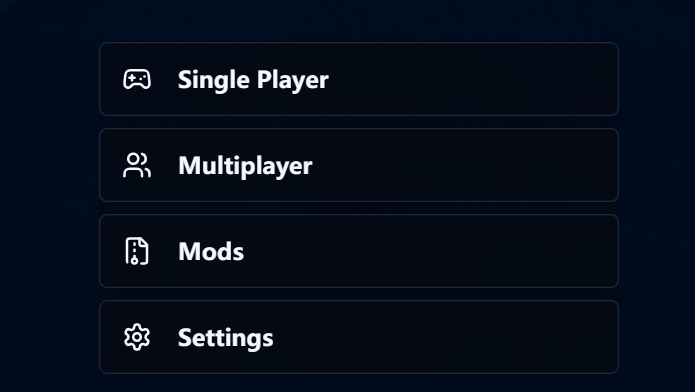
- Open Manage Dub Packs. Start Voxalike, enter the pack-management area and use the game's import or local-pack control. The screen may vary by release, so follow the action label rather than relying on a pixel-perfect position. Keep this guide open in another tab for the description, suggested tags and performance notes.
- Select the untouched ZIP. Choose the downloaded archive. Wait for extraction or indexing to finish before clicking again. Large packs such as this one can appear inactive while media is being read. Repeated clicks may start duplicate work and make the result harder to interpret.
- Verify title, preview and roles. Open the imported entry and compare its title with Right infront of my Salad? English. Check that the expected roles appear and that the preview loads. For this scene, the role plan should support a compact reaction-meme setup in which a seated observer discovers an outrageous interruption happening directly in front of her. If the list is empty, refresh packs once before redownloading.
- Run a short media test. Play the beginning, middle and ending rather than watching only the thumbnail. Confirm video, guide timing and source audio behavior. Record one throwaway line, play it back and check microphone selection. This catches browser permission or device issues before the group invests in a full performance.
- Prepare upload metadata separately. The Description and Suggested tags panels above are copy-ready aids for a Voxalike submission. Review them and adapt details to your version instead of presenting another uploader's work as your own. Keep the scene description factual, choose tags that describe content and performance, and credit source material where the upload form allows.
If import fails, separate download problems from game problems. A zero-byte or partial archive needs a fresh transfer. A complete ZIP that cannot be indexed may require a Voxalike refresh or a check against the version named elsewhere on this site. A pack that imports but shows missing media needs closer inspection of the archive itself. Change one condition at a time and keep the original ZIP available for comparison.
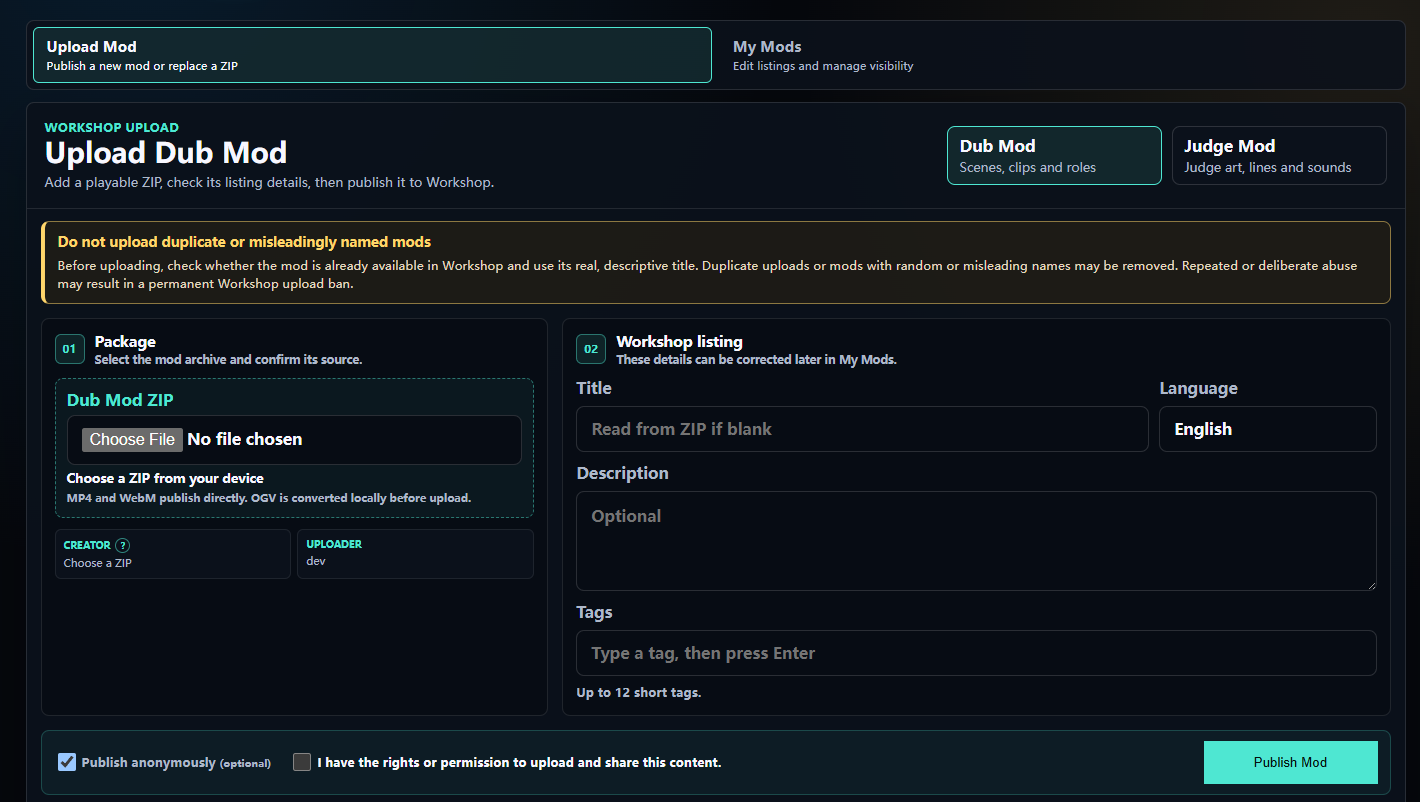
Once the test passes, assign roles and agree on the performance target: adult-aware but non-graphic presentation, deadpan commitment and a clean silence after the reaction line. That final check links technical setup to the scene you actually intend to create. A working archive is only the beginning; a prepared session is what keeps players from leaving the page to search for basic context.